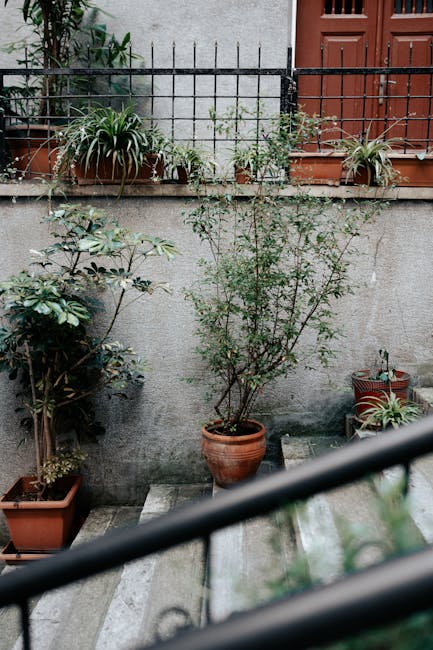
Paddington Station area gardeners for small courtyard gardens

If you live or work near Paddington Station, you already know the reality: outdoor space is often charming, but tiny. A courtyard can be a blessing and a puzzle at the same time. It may catch a bit of morning light, sit in shade for the rest of the day, and feel just large enough for a table, two chairs, and not much else. That is exactly where Paddington Station area gardeners for small courtyard gardens come in. The right approach turns a cramped plot into a calm, usable space that feels intentional rather than leftover.
This guide walks through what local gardeners do, how courtyard gardening works in a busy London setting, and what to expect if you are deciding whether to invest in help. We will look at practical design choices, maintenance realities, common mistakes, and the small details that make a courtyard feel like a proper garden instead of a hard surface with a few pots on it. Truth be told, those details matter more than people think.
Why Paddington Station area gardeners for small courtyard gardens Matters
Courtyard gardens near Paddington Station face a very specific mix of pressures. Space is tight, access can be awkward, neighbouring buildings can create shade, and everyday use matters more than in a larger suburban garden. You are usually trying to make one compact area do several jobs at once: somewhere to sit, somewhere to soften hard paving, maybe somewhere for scent, privacy, storage, or a bit of seasonal colour.
That is why specialist courtyard gardeners are useful. They understand scale, proportion, drainage, and planting that behaves well in confined spaces. A large, showy plant that looks perfect in a nursery can overwhelm a small courtyard in a month. A clever gardener sees that before the purchase, which saves money and frustration later. Not glamorous, perhaps, but very practical.
There is also a local London factor. Around Paddington, many properties have brick walls, shaded corners, narrow side access, and surfaces that heat up or dry out quickly in summer. Gardeners who work in this kind of environment tend to think in layers: structure first, then planting, then maintenance. That layered approach makes the difference between a courtyard that merely exists and one that feels genuinely restful.
For many people, the biggest issue is not whether the space is small. It is whether the space feels awkward. A good garden plan fixes awkward. It directs the eye, creates movement, and makes the whole area feel easier to live with. That is the real value, and it shows up every time you step outside with a coffee or open a door on a rainy Tuesday morning and think, yes, this works.
How Paddington Station area gardeners for small courtyard gardens Works
Small courtyard gardening usually starts with a site assessment. A gardener looks at light levels, drainage, wind exposure, access, wall condition, existing paving, and how the space is actually used. That last point matters a lot. A courtyard outside a flat used for evening entertaining needs a different layout from one that is only seen from the kitchen window.
From there, the work often falls into a few stages:
- Understanding the space: measuring accurately, noting shade patterns, and spotting problem spots such as pooling water or dead ground.
- Cleaning and preparing: removing weeds, debris, failed plants, moss, old containers, or tired soil.
- Improving structure: refreshing compost, adjusting soil where needed, repairing borders, or choosing containers that suit the space.
- Selecting planting: choosing compact, resilient plants that work in partial shade, full shade, or brighter pockets.
- Adding finishing layers: mulch, irrigation, lighting, trellis, climbers, and a seating or focal point if appropriate.
In a courtyard, every choice carries more weight. The wrong pot size can make the area feel crowded. The wrong paving jointing can invite moss. The wrong plant can throw off the balance. Gardeners who know the area tend to think in small increments rather than big gestures. That is a good thing. It keeps the result refined instead of fussy.
Some jobs are maintenance-led, like seasonal tidy-ups, pruning, feeding, and checking for pest issues. Others are more transformative, such as redesigning the whole space or introducing vertical planting to free up floor area. If you are using a local service like garden maintenance support, the aim is usually to keep the courtyard looking deliberate all year, not just after a one-off visit.
Key Benefits and Practical Advantages
A small courtyard garden can deliver more value than a larger neglected one, simply because it is easier to use well. The benefits are practical, visual, and oddly emotional too. A neat courtyard gives a sense of order. In a busy city, that counts for something.
- Better use of limited space: a thoughtful layout creates room for seating, planting, and access without clutter.
- Lower maintenance burden: compact planting schemes are easier to care for when designed properly.
- Improved privacy: trellis, climbers, and layered planting can reduce the feeling of being overlooked.
- Year-round appeal: evergreen structure, bark, grasses, and winter-interest plants help the garden stay attractive even when flowers fade.
- More comfortable microclimate: plants soften heat, reflected glare, and hard edges.
- Better property feel: a well-kept courtyard can make the whole home seem calmer and more cared for.
There is also a practical maintenance benefit in using the right team. Small gardens are often quicker to tidy than larger ones, but only if the basics are right. If they are not, everything builds up fast: self-seeded weeds, brittle pots, overgrown climbers, and damp patches that no one notices until the paving turns green. It happens. More often than people admit.
Another advantage is flexibility. You do not always need a full redesign. Sometimes a courtyard just needs better plant selection, sharper edging, improved containers, or a maintenance routine that matches the space. Small changes can bring a surprisingly big lift.
Expert summary: In a compact Paddington courtyard, the best results usually come from restraint, structure, and steady maintenance. Choose fewer things, but choose them well. The garden should feel composed, not crowded.
Who This Is For and When It Makes Sense
This kind of service makes sense for a few different people. If you recognise yourself in any of these, you are probably in the right place.
- Flat owners with a small private courtyard that needs regular care or a fresh start.
- Landlords or managing agents who want outdoor areas to look presentable for tenants and viewings.
- Busy professionals who like the idea of a garden but do not have time to manage it properly.
- Homeowners preparing to sell and wanting the outdoor space to feel like an asset rather than an afterthought.
- People with shaded or awkward plots that need tailored planting rather than generic garden advice.
It makes sense when you have tried to keep the garden going yourself and found that it is not really a weekend job. Courtyards can hide issues. A few weeks of ignored moss, a thirsty container display, or a climber growing loose along a wall, and suddenly the space feels tired. If the garden starts draining your energy every time you look at it, that is a pretty clear signal.
It also makes sense if you want the courtyard to serve a purpose. Maybe you need a space for morning tea, a quiet reading corner, or somewhere that feels pleasant for guests without requiring a huge amount of maintenance. In that case, a knowledgeable gardener can save you from trial and error. And let's face it, trial and error in a tiny garden is much less charming than it sounds.
Step-by-Step Guidance
Here is a practical way to think about improving a small courtyard near Paddington Station. You do not need to do everything at once. In fact, trying to do too much is often where people go wrong.
1. Start with the purpose of the space
Ask what the courtyard should actually do. Sit-out space? Relaxation? Privacy? Plant display? Family use? A place for low-maintenance greenery? When the purpose is unclear, the design tends to become a jumble of nice ideas that never quite work together.
2. Measure and observe properly
Spend time watching where sunlight falls during the day, how the wind behaves, and which areas dry quickly after rain. A courtyard can look bright at 10am and be fully shaded by late afternoon. That matters when choosing plants.
3. Clear out the noise
Remove damaged pots, broken ornaments, dead growth, and anything that makes the space feel busy. Courtyards reward simplicity. Clean lines create breathing room.
4. Decide on structure first
Before picking flowers, decide on the bones of the garden: paving, seating, fencing or walls, trellis, and larger containers. Structure gives a small space confidence. Without it, even good planting can feel temporary.
5. Choose plants for the conditions
Shade-loving, drought-tolerant, or compact plants are often the best fit. Think in layers: one or two statement pieces, some medium-height fillers, and lower planting to soften edges. Avoid anything that needs more room than you can realistically give it.
6. Build in easy care
Use quality compost, mulch where appropriate, and plant in ways that reduce constant fussing. If watering is likely to be forgotten during heat or holiday periods, consider more resilient planting or a simple irrigation approach.
7. Schedule seasonal maintenance
A good courtyard needs small, regular interventions rather than huge rescues. Prune climbers, refresh pots, deadhead as needed, and reset the space before it gets untidy. Small and steady beats dramatic and delayed. Every time.
Expert Tips for Better Results
Small courtyards can be brilliant, but only if you respect their scale. Here are the details that experienced gardeners keep in mind.
- Use repetition: repeating a few plant types creates calm and makes the space look designed rather than accidental.
- Think vertically: walls, fences, trellis, hanging planters, and climbers can add depth without using floor space.
- Keep pot sizes intentional: a random mix of tiny and oversized containers often looks messy. Group containers with purpose.
- Choose texture as well as colour: leaves, bark, stems, and structure matter as much as flowers, especially in winter.
- Leave room to move: if every inch is filled, the courtyard stops feeling restful. A bit of empty space is not wasted space.
- Watch drainage carefully: trapped water is one of the quickest ways to damage paving, roots, and the feel of the whole area.
One small but important point: in tight London courtyards, reflective surfaces can make a huge difference. Pale walls, light paving, mirrors used carefully, and glossy leaves can all brighten a shaded corner. Used badly, though, mirrors can feel gimmicky. Used lightly, they can open a space up in a very pleasing way.
If you are planning a privacy screen, think about how it looks from both sides. A beautiful courtyard loses some charm if the screening only works from one angle. A seasoned gardener will think about that detail without being prompted. That is often where the value sits.
Common Mistakes to Avoid
Small courtyards are unforgiving in a nice, honest sort of way. If something is off, you notice it quickly. The good news is that most mistakes are avoidable.
- Overplanting: too many plants can make the space feel cramped and hard to maintain.
- Choosing plants for looks only: a beautiful plant that hates shade or dries out instantly will become a nuisance.
- Ignoring drainage: standing water, poor soil, and blocked outlets can undermine the whole garden.
- Using the wrong scale: huge features in a small courtyard can dominate, while tiny features can disappear.
- Forgetting maintenance access: if you cannot reach the back wall or the far corner, problems build up there first.
- Mixing too many materials: lots of different pots, finishes, and colours can make the space feel noisy.
Another mistake is treating the courtyard like a one-season project. A summer planting display may look fantastic in June and then collapse into something much less impressive by September. Better to build a scheme that has year-round structure and can be refreshed, not reinvented, as the seasons change.
And yes, there is such a thing as too much ambition in a courtyard. The urge to turn every wall into a feature wall is understandable. Still, restraint usually wins. A little calm goes a long way in a compact urban garden.
Tools, Resources and Recommendations
For small courtyard work, the right tools and supplies matter more than people expect. You do not need a van full of equipment, but you do need the basics that make careful work possible.
| Item | Why it helps in a courtyard | Typical use |
|---|---|---|
| Compact hand tools | Good for tight spaces and container planting | Pruning, planting, soil prep |
| Quality compost | Improves plant health in containers and beds | Refreshing pots, topping up borders |
| Mulch | Helps retain moisture and suppress weeds | Surface dressing around plants |
| Trellis or supports | Adds vertical interest without using floor space | Climbers, screening, structure |
| Watering can or irrigation aid | Makes daily or weekly care much easier | Container watering, summer upkeep |
It is often worth working with a gardener who can also advise on linked services such as landscape gardening if the courtyard needs more than routine maintenance, or decking services where a hard landscaping refresh would improve the layout. For overgrown spaces, a proper clear-out through garden clearance may be the cleanest starting point.
If you are comparing service providers, look for evidence of careful work rather than grand promises. Useful signs include clear communication, sensible plant choices, neat finishing, and a plan for ongoing care. The best people do not just make a garden look good for one afternoon. They make it manageable after they leave.
For broader service context, it can also help to review a company's services overview, pricing and quotes, and recycling and sustainability approach. Those pages can tell you a lot about how the work is organised, especially if you want both practicality and transparency.
Law, Compliance, Standards, or Best Practice
For a typical private courtyard garden, there is usually no heavy legal process involved. Still, there are some sensible best-practice points worth keeping in mind, especially in London where properties can be close together and access is often shared.
First, if any work affects fences, walls, paving, drainage, or trees that may be subject to ownership boundaries, it is wise to clarify responsibility before anything is altered. That sounds obvious, but disputes often begin with small assumptions. If you are in a managed building or leasehold property, check who controls the outdoor space and whether approval is needed before structural changes.
Second, safe working practices matter. Reputable gardeners should work carefully with tools, lifting, waste removal, and any pruning or tree work. If your project involves higher-risk tasks, ask about insurance, safe methods, and how waste is handled. A straightforward page like insurance and safety can give you a helpful picture of how a provider approaches risk, while a health and safety policy shows whether procedures are taken seriously or treated as an afterthought.
Third, be cautious with tree work. Even in a small courtyard, trees or large shrubs may need proper assessment before lopping or removal. If that is part of the job, use experienced professionals and make sure the scope is clear. Over-pruning can spoil both the look and the long-term health of the planting. A quick cut is not always a smart cut.
Finally, best practice in small gardens is not just about compliance. It is about respect for the site. That means handling materials properly, avoiding unnecessary waste, choosing plants that suit the conditions, and keeping the courtyard tidy during and after the work. A clean finish says a lot.
Options, Methods, or Comparison Table
If you are weighing up how to improve a small courtyard near Paddington Station, the main options usually fall into a few categories. Here is a simple comparison to help you think it through.
| Approach | Best for | Pros | Watch-outs |
|---|---|---|---|
| Regular maintenance only | Courtyards that already have good structure | Affordable, steady, tidy year-round | Won't fix poor layout or tired planting |
| Plant refresh and container redesign | Spaces that look cluttered or patchy | Quick visual improvement, flexible changes | Needs sensible plant selection and watering |
| Full courtyard redesign | Spaces with drainage, layout, or style issues | Most transformative, long-term value | Higher cost, more planning, more disruption |
| Mixed hard and soft landscaping | Courtyards needing a new balance of surfaces and planting | Improves use, comfort, and structure | Requires careful coordination and realistic budgets |
There is no single best choice. A tiny courtyard with good bones may only need ongoing care. Another space might be crying out for a redesign because the paving is tired or the planting never really worked. The right answer depends on how the garden fails you now. Harsh, perhaps, but useful.
Case Study or Real-World Example
Consider a typical Paddington courtyard: narrow, paved, and overlooked by neighbouring windows. The owner wants it to feel calmer and greener, but does not want to lose precious floor space. The first version of the garden is not terrible, just a bit scattered. A few random pots. One thirsty plant. Some bare wall. A corner that stays damp after rain and then catches glare when the sun appears for an hour, because London likes to be inconsistent.
In a real-world project like this, a gardener would usually start by clearing away tired containers and checking drainage. Then they would bring in a smaller number of better-sized pots, repeat a limited plant palette, and introduce a climber on one wall for height. If privacy is an issue, soft screening might be added with foliage rather than a solid barrier, so the space still breathes.
After that, the garden begins to feel different almost immediately. Not because it is packed with features, but because it has clarity. You can stand at the doorway and understand the whole space in one glance. You can sit down without feeling hemmed in. The planting looks deliberate. The garden becomes somewhere you want to use, not just somewhere you need to maintain.
That is the real transformation in small courtyard work. It is rarely dramatic in the headline sense. It is more subtle, and better for it. One morning you step outside and notice the light on the leaves, the quiet scent from a pot near the wall, the fact that the space no longer feels like an afterthought. Lovely, really.
Practical Checklist
Use this checklist if you are planning to hire help or improve a small courtyard yourself.
- Confirm what the courtyard needs to do day to day.
- Measure the space and note shade, sun, and damp areas.
- Remove clutter, dead growth, and broken containers.
- Decide whether the project is maintenance, refresh, or redesign.
- Choose plants that suit the available light and available time.
- Keep a simple structure rather than overcrowding the space.
- Check drainage and any persistent pooling or staining.
- Plan how screening, seating, and access will work together.
- Ask about insurance, safety, and waste handling if hiring a professional.
- Agree a realistic maintenance routine for the months ahead.
If you can tick off most of those points, you are in good shape. If not, that is fine too. Better to spot the gaps early than to discover them after the wrong plants have been installed and the budget has quietly disappeared.
Get a free quote today and see how much you can save.
Conclusion
Paddington Station area gardeners for small courtyard gardens provide something genuinely valuable: they make compact outdoor spaces usable, attractive, and easier to live with. In a part of London where outdoor square footage is precious, that matters a great deal. The best work is rarely loud. It is calm, measured, and built around the reality of the space rather than an idealised vision of it.
Whether your courtyard needs routine care, a planting refresh, or a full rethink, the key is to work with the space you have instead of fighting it. Keep the layout simple, the planting suited to the conditions, and the maintenance plan realistic. Do that, and even the smallest courtyard can feel like a welcome pause in the middle of the city. And honestly, that little pause can change how home feels.
Frequently Asked Questions
What do Paddington Station area gardeners for small courtyard gardens usually do?
They typically handle courtyard-specific tasks such as planting design, container updates, pruning, tidy-ups, weed control, soil improvement, and ongoing maintenance. In some cases, they also help with layout changes, screening, and minor landscaping to make a very small space more usable.
Is a small courtyard garden hard to maintain?
It can be, but only if it is badly designed or full of the wrong plants. A well-planned courtyard is often easier to maintain than a larger garden because there is less ground to cover. The challenge is choosing planting and materials that suit the light, drainage, and time you actually have.
How often should a small courtyard be maintained?
That depends on the planting and how visible the space is. Many courtyards benefit from lighter, regular care rather than infrequent big sessions. A quick monthly tidy may be enough for a simple layout, while planted courtyards with containers or climbers may need more frequent attention in spring and summer.
What plants work best in a small London courtyard?
That depends on the light levels, but many courtyards suit compact shrubs, shade-tolerant perennials, climbers, evergreens, grasses, and container plants with structure. The best choice is usually a mix of forms and textures rather than lots of single-season colour. The space needs to look good even when flowers are not doing the heavy lifting.
Can a tiny courtyard really feel private?
Yes, absolutely. Privacy can be improved with trellis, layered planting, climbers, screening panels, and careful seating placement. The key is to soften sightlines without making the space feel boxed in. In a small courtyard, balance matters more than bulk.
Is it worth hiring a gardener for such a small space?
Often, yes. Small gardens are deceptively tricky because every decision is magnified. A good gardener can help avoid costly mistakes, choose the right plants, and create a space that is easier to live with long term. If the courtyard has already become frustrating, outside help is usually worthwhile.
What is the difference between maintenance and redesign?
Maintenance keeps an existing garden healthy and tidy. Redesign changes the layout, planting structure, or materials to solve a deeper problem. If the courtyard looks tired but fundamentally works, maintenance and small refreshes may be enough. If the layout, drainage, or scale is wrong, redesign may be the better move.
Do small courtyard gardens need special drainage attention?
Yes, they often do. Courtyards are prone to water collecting in low spots, especially where paving, containers, or walls create awkward edges. Drainage problems can damage plants and make the space feel damp or neglected. A proper site check usually catches this early.
How can I make a courtyard look bigger?
Use repetition, vertical planting, a restrained colour palette, and a few well-chosen focal points. Avoid too many tiny items or cluttered pots. Keep some clear floor space, because the eye needs somewhere to rest. That simple trick makes a surprising difference.
What should I ask before hiring a gardener near Paddington?
Ask what experience they have with small courtyards, how they handle plant selection, whether they can work with shaded or awkward spaces, and how they approach maintenance after the initial job. It is also sensible to ask about insurance, safety, waste removal, and whether they provide clear pricing or quotes.
Can courtyard gardening be low maintenance and attractive at the same time?
Yes, if the design is realistic. Low maintenance does not mean no care at all; it means choosing resilient plants, sensible materials, and a layout that does not create extra work. The trick is to keep the design simple enough that it still looks good when life gets busy, which, let's be honest, is most of the time.
What is the next sensible step if my courtyard needs help?
Start by assessing what is working, what is failing, and how much time you want to spend maintaining the space. Then decide whether you need a tidy-up, a planting refresh, or a more substantial redesign. If you want the job done properly, speak to a local gardener who understands small urban spaces and can work with the conditions as they are.